
Yellow Food Coloring and Natural Food Colorant in Food Products
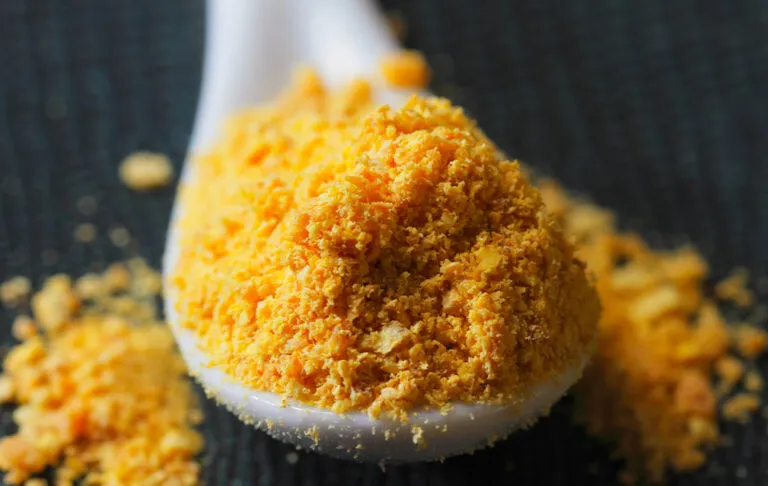
Food manufacturers often choose yellow shades because customers connect those tones with freshness, flavor, and familiar snack products naturally. Yellow food coloring appears regularly inside chips, popcorn, bakery items, beverages, and dairy products commercially today. Some manufacturers use turmeric or annatto extract, although others test ingredients primarily based on combined vegetables for a time for softer colors. Product appearance is closely important, as customers usually formulate the visual presentation in general before checking the ingredient label. Trade resistance is also pushing companies toward stronger, more stable shelf visibility globally.
Plant-Based Pigments Need Careful Stability Testing During Production
Natural materials react differently depending on heat exposure, humidity levels, oxygen conditions, and garage environment later in the delivery technique. Beverage manufacturers carefully test especially light exposures because clear bottles make it much easier to sound faded in a while. Frozen products, bakery fillings, and seasoning blends all present unique component challenges for the duration of a typical manufacturing operation. Stability testing is still necessary before companies fully approve large-scale manufacturing operations.
Ingredient Transparency Keeps Influencing Customer Buying Decisions Today
Modern consumers now take a closer look at packaging because online discussions anywhere focus on food components these days more quickly. Yellow food colorants are gaining more attention as customers often evaluate synthetic plant-based alternatives before purchasing products. Cleaner ingredient lists help organizations position products more effectively in top-class food markets globally. Many companies now later explain sourcing strategies with advertising, social media, and packaging details. Consumer expectations are rapidly changing as aspect transparency has become more important throughout the retail industry as a business.
Powder and Liquid Formats Serve Different Manufacturing Purposes.
Food companies choose ingredient formats depending on processing methods, transportation requirements, and storage conditions during production stages later. Natural food colorant powders often simplify storage while liquid concentrates blend faster during high volume manufacturing schedules commercially. Snack coatings, beverage syrups, dairy desserts, and seasoning blends all require slightly different handling procedures afterward. Manufacturers compare performance carefully because even small formulation differences may affect final product appearance significantly. Ingredient flexibility became more valuable as product innovation expanded across competitive food markets globally.
Packaging Choices Affect Long Term. Product Appearance Significantly
Store lighting conditions affect how packaged goods look at a certain point in the shopping season within conventional supermarkets and convenience stores. Transparent packaging will especially increase stress because the uneven colors are almost immediately visible to customers everywhere afterwards. The formulation of yellow food coloring usually undergoes shelf testing under specific temperature and light conditions before the introduction of industrially approved products. The choice of packaging fabric additionally affects moisture retention and long-term pigment stability after some stage of delivery. Companies are now investing more time in benchmarking visual design before launching products publicly.
Food Developers Continue Exploring Better Botanical Ingredient Sources
Research groups often look for colorants that provide strong balance and wide commercial applications in the food manufacturing industry these days. Vegetable concentrates, fruit extracts, and botanical colors are now often found within many commercial product formulas. Manufacturers carefully check the fact mix because now and again interactions suddenly affect the color depth sometimes. Product developers continue balancing appearance, processing practicality, and ingredient transparency across modern food production systems.
Conclusion
Food color selection remains important because visual appearance strongly shapes customer reactions during purchasing decisions today. foodrgb.com provides practical information related to food pigments, ingredient sourcing, and manufacturing applications for modern businesses globally. Yellow food coloring continues appearing across multiple food categories because warm tones create familiar and appealing product presentations commercially. At the same time, natural food colorant solutions keep expanding as manufacturers search for cleaner ingredient alternatives across competitive markets everywhere. Businesses planning future product development should carefully evaluate stability, packaging compatibility, and processing performance before expanding commercial production operations.


