
Savoring a Japanese Food Menu Experience
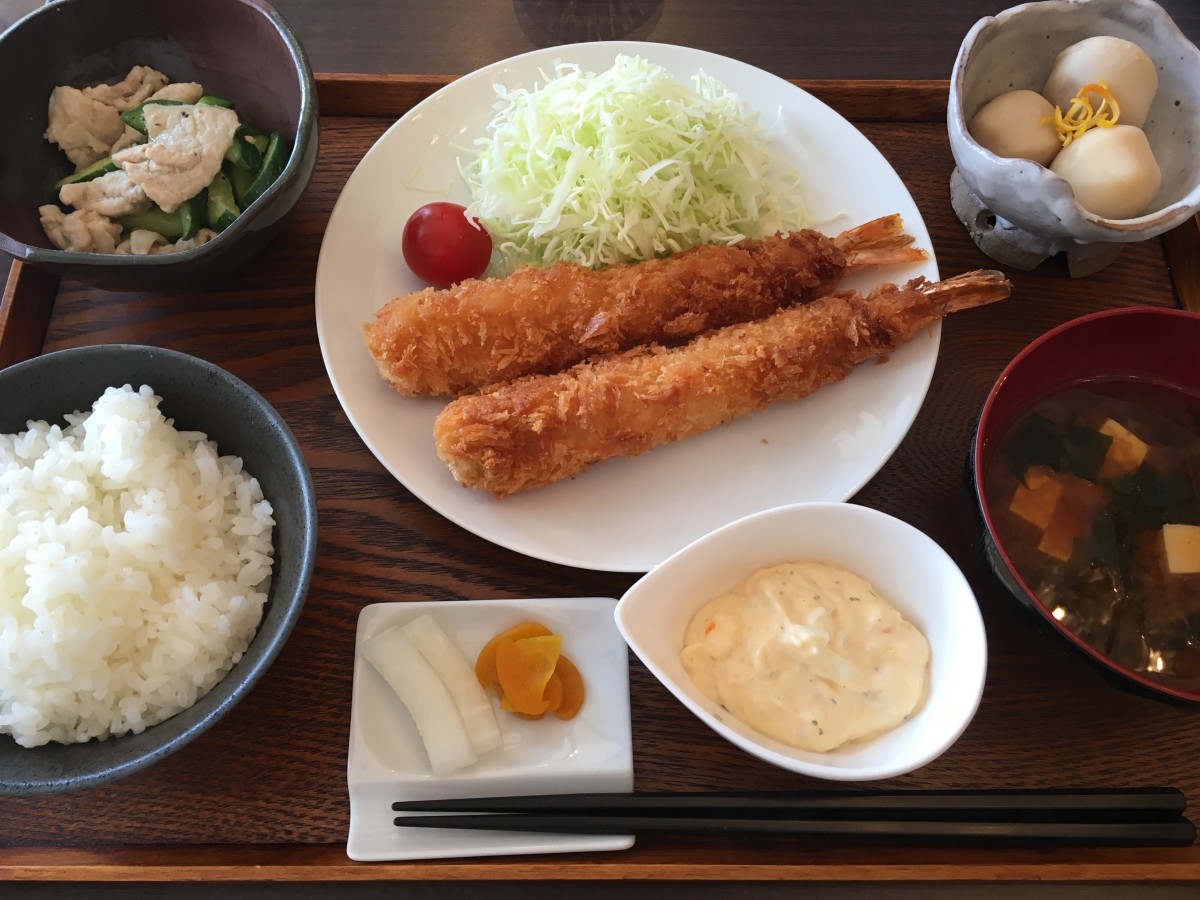
Japanese cuisine is a harmonious blend of artistry, precision, and deep-rooted tradition. Whether indulging in fresh sushi, warming up with a bowl of ramen, or discovering the intricacies of a carefully packed bento box, every meal offers an opportunity to experience Japan’s rich culinary heritage. Knowing how to navigate and appreciate these dishes enhances not only the flavors but also the cultural significance behind each bite. From enjoying sushi properly to pairing sake with food, here’s how to truly savor a Japanese food menu experience.
1. The Art of Enjoying Sushi Properly
Sushi is one of Japan’s most iconic dishes, but eating it correctly can make a world of difference. While many people dive into a sushi platter without much thought, there is an etiquette to enjoying sushi properly that enhances the experience.
- Use Your Hands for Nigiri – Though chopsticks are common, sushi purists often eat nigiri (fish atop rice) with their hands to maintain the delicate balance of flavors.
- Dip Fish, Not Rice, in Soy Sauce – A light touch of soy sauce on the fish side prevents the rice from absorbing too much liquid and falling apart.
- Eat in One Bite – Sushi is crafted to be eaten in a single mouthful, allowing the flavors of the fish, rice, and seasoning to meld perfectly.
- Cleanse Your Palate with Ginger – Pickled ginger (gari) is not meant to be eaten with sushi but rather between bites to reset the taste buds.
By following these simple yet essential techniques, each sushi piece can be appreciated as the chef intended, offering a refined and flavorful experience.
2. Savoring Authentic Ramen: More Than Just a Soup
Few dishes comfort the soul like a steaming bowl of ramen. More than just a quick meal, savoring authentic ramen means appreciating the craftsmanship behind its layered broth, chewy noodles, and carefully chosen toppings.
- Slurping is Encouraged – Unlike Western dining etiquette, slurping ramen is a sign of enjoyment. It aerates the broth, enhancing its aroma and richness.
- Know Your Broths – Ramen comes in different styles, each with its own depth of flavor. Tonkotsu is creamy and pork-based, shoyu is soy sauce-infused, miso ramen has a deep umami richness, and shio is light and delicate.
- Toppings Matter – From chashu (braised pork) to marinated eggs and bamboo shoots, every topping adds a unique texture and taste to the dish.
- Eat Quickly – Unlike pasta, ramen noodles continue to absorb broth, softening over time. The best way to enjoy ramen is to eat it promptly before the noodles lose their ideal texture.
With its symphony of flavors and heartwarming depth, ramen is more than just a bowl of noodles—it’s an experience that deserves to be savored.
3. Exploring Bento Box Meals: A Perfectly Balanced Feast
For those who enjoy variety in their meals, exploring bento box meals is a must. These beautifully arranged lunch boxes offer a little bit of everything, ensuring a balanced and satisfying dining experience.
- Aesthetic and Nutritional Harmony – Bento boxes are designed with visual appeal and nutrition in mind, featuring a mix of rice, proteins, pickled vegetables, and seasonal sides.
- Variety of Choices – Some popular types include:
- Makunouchi Bento – A traditional combination of rice, fish, tamagoyaki (Japanese omelet), pickles, and small side dishes.
- Kyaraben (Character Bento) – Cute, themed bentos often created for children, featuring rice and vegetables shaped into adorable designs.
- Ekiben (Train Station Bento) – A regional specialty found at train stations across Japan, showcasing local flavors and ingredients.
- Portable and Convenient – Whether bought from a specialty shop or homemade, bento boxes provide a well-rounded meal in a compact and practical form.
A bento box is more than just a lunch—it’s a reflection of Japanese culinary artistry and an invitation to enjoy a perfectly portioned and balanced meal.
4. Pairing Sake with Food: Elevating the Dining Experience
Just as wine complements Western cuisine, pairing sake with food enhances the flavors of Japanese dishes. With its range of subtle, complex, and sometimes fruity notes, sake is a versatile drink that can be matched with various dishes to elevate the meal.
- Know the Different Types of Sake – From dry and crisp junmai to aromatic and delicate daiginjo, each variety pairs differently with food.
- Pair Light Sake with Sushi – Clean, crisp sakes such as ginjo or daiginjo work well with fresh sushi and sashimi, highlighting the seafood’s natural sweetness.
- Rich Sake for Hearty Dishes – Full-bodied junmai or yamahai sakes pair beautifully with tempura, grilled meats, and umami-packed dishes like miso-glazed fish.
- Warm vs. Cold Sake – Lighter, floral sakes are best served chilled, while earthy, robust varieties are often enjoyed warm to bring out their deep flavors.
Pairing sake is both an art and a science, allowing diners to explore new taste dimensions and appreciate Japanese cuisine on a deeper level.
Final Thoughts
A Japanese food menu is a treasure trove of flavors, textures, and culinary traditions. Whether enjoying sushi properly, savoring authentic ramen, exploring bento box meals, or pairing sake with food, each dish tells a story of craftsmanship and heritage.
By approaching Japanese cuisine with curiosity and appreciation, every meal becomes an opportunity to experience something extraordinary. So the next time you find yourself in a Japanese restaurant, take the time to savor each bite, sip, and slurp—you won’t regret it!


