
How to Extend Shelf Life with Food Storage
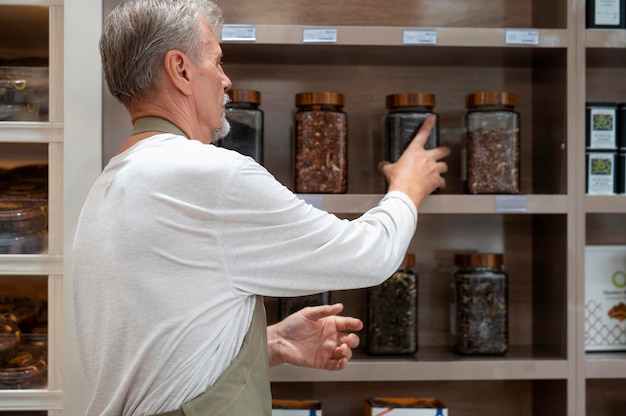
In a world that values both convenience and sustainability, mastering the art of preserving our food supplies is essential. The quest to extend shelf life is not merely about staving off spoilage; it’s about optimizing resources, enhancing nutritional value, and ensuring that every ingredient remains a vibrant part of your culinary repertoire. The secrets lie in a blend of innovative techniques, meticulous organization, and a dash of culinary alchemy.
The Foundation of Temperature Mastery
Temperature is the linchpin of any successful storage system. Maintaining a constant, optimal environment is crucial to prolong food freshness. Refrigerators and freezers are not just appliances—they are guardians of quality. Ensuring that your fridge operates at a consistent temperature can make a significant difference. A fluctuation of even a few degrees can accelerate the degradation of your perishables. For instance, fruits and vegetables thrive best in cooler compartments, while dairy and meats require even lower temperatures to stave off bacterial growth.
A dual-chamber approach, where specific zones are dedicated to distinct food groups, can be remarkably effective. This system ensures that items are stored in conditions tailored to their needs, thereby fostering shelf life extension. It is a practice that not only conserves the edibility of your food but also preserves its flavor, texture, and nutritional integrity.
Innovative Packaging and Storage Containers
The role of packaging in food preservation is paramount. Choosing the right containers can be a game-changer in your quest for effective food preservation. Airtight containers, vacuum-sealed bags, and specialized clamshell packaging form an impenetrable barrier against the elements that hasten spoilage. Each container acts as a microenvironment, shielding your ingredients from the relentless assault of oxygen and moisture.
Investing in high-quality, reusable storage solutions might seem like a modest expenditure at first, but the long-term savings—both financial and nutritional—are substantial. Moreover, these containers can be organized methodically within your pantry, refrigerator, or freezer. Labeling each package with the date of storage and the contents ensures a seamless rotation system, reducing waste and making meal planning both efficient and enjoyable.
The Role of Humidity Control
Humidity, often the unsung hero in food storage, plays a critical role in prolong food freshness. Excess moisture can lead to mold growth and accelerate decay, while an overly dry environment might sap the natural succulence of your fruits and vegetables. Using moisture-absorbing packets, specialized crisper drawers, or even simple solutions like a damp cloth in a sealed container can regulate humidity levels. This careful modulation is a cornerstone of shelf life extension, ensuring that each item maintains its inherent quality longer than it otherwise might.
Harnessing the Power of Natural Preservatives
While modern technology offers myriad solutions, nature has long provided its own arsenal for food preservation. Spices, herbs, and acidic ingredients such as lemon juice or vinegar have been used for centuries to inhibit bacterial growth. Infusing your storage methods with these natural preservatives can significantly boost effective food preservation. For example, a light dusting of salt or a splash of vinegar on cut fruits and vegetables can slow down enzymatic reactions that lead to spoilage.
Fermentation is another age-old technique that not only preserves food but also enhances its flavor profile. By creating an environment that favors beneficial bacteria, fermentation transforms simple ingredients into tangy, probiotic-rich delights. Embracing such traditional methods in conjunction with modern storage practices provides a holistic approach to extending shelf life.
Optimizing Your Storage Environment
An organized storage system is the backbone of any successful preservation strategy. Designating specific zones for various types of foods can streamline your workflow and mitigate the risk of cross-contamination. For instance, raw meats should be stored separately from ready-to-eat items, and dairy products should have their own dedicated area. This segregation is not merely a matter of order—it is a critical component of effective food preservation.
Regularly auditing your storage areas is equally important. Periodic checks for expired items, reorganization of crowded shelves, and ensuring that all containers are properly sealed can prevent minor lapses from turning into major issues. A clean, well-ordered kitchen becomes a fortress against the inevitable march of time and decay.
The Economic and Environmental Benefits
Embracing strategies to extend shelf life goes beyond personal convenience; it’s an investment in sustainability. Food waste is a global challenge, draining resources and contributing to environmental degradation. By implementing practices that prolong food freshness, you not only save money but also reduce your ecological footprint. Every item preserved is a step toward a more sustainable lifestyle—one that values resourcefulness and mindful consumption.
Efficient food storage minimizes the need for frequent grocery trips, decreases impulse purchases, and helps you maintain a balanced pantry stocked with wholesome ingredients. This approach cultivates a sense of gratitude for the food on your table, transforming routine storage practices into an act of stewardship.
The art of shelf life extension is a multifaceted endeavor that blends science, tradition, and innovation. By meticulously controlling temperature, humidity, and packaging, and by embracing natural preservatives, you set the stage for a kitchen that is both efficient and sustainable. Each thoughtful measure you adopt contributes to effective food preservation, ensuring that every ingredient remains as vibrant and nourishing as nature intended.
Integrating these practices into your daily routine can revolutionize your culinary experience. It is a journey that not only maximizes the utility of every purchase but also champions a lifestyle of sustainability, efficiency, and innovation. With a proactive approach to food storage, you transform everyday challenges into opportunities for creativity and long-term savings.


