
Freezing vs. Refrigeration for Food Storage
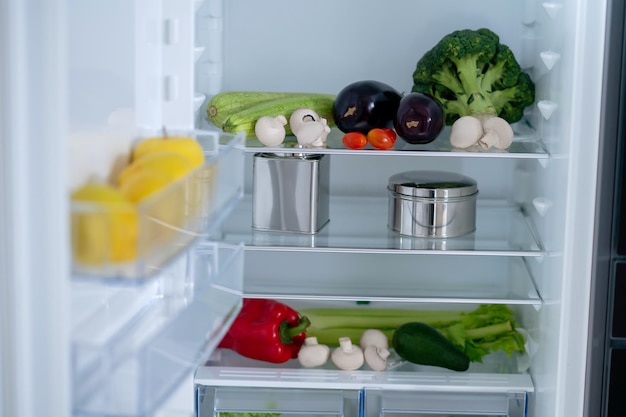
Mastering food storage is an art and a science, and one of the perennial debates in the kitchen is the choice between freezing and refrigeration. Each method offers unique advantages and challenges, and understanding these nuances can dramatically enhance the longevity and quality of your perishables.
Understanding the Basics
At its core, food storage is about slowing down spoilage. Temperature control methods play a pivotal role in this endeavor. Whether you’re opting for freezing storage methods or refrigeration storage techniques, the goal remains the same: to maintain freshness while minimizing waste.
Refrigeration works by keeping your food at temperatures typically between 34°F to 40°F (1°C to 4°C). This range is ideal for slowing bacterial growth and preserving the quality of most fresh foods. Conversely, freezing drops the temperature significantly, usually to 0°F (-18°C) or below, halting microbial activity entirely. Both systems have their place, but the decision depends on the type of food and how quickly you intend to use it.
The Advantages of Refrigeration
Refrigeration is the workhorse of daily food storage. It’s perfect for items that need to be consumed relatively soon, such as dairy products, fresh produce, and ready-to-eat meals. Refrigeration storage techniques prioritize convenience. Your meals are accessible, and the textures and flavors remain closer to their original state.
Short-term storage in the refrigerator preserves the natural moisture and integrity of foods without causing the structural changes that freezing might induce. This is particularly important for delicate fruits and vegetables that can become mushy if frozen. Additionally, regular refrigeration is energy-efficient for daily use, keeping your kitchen running smoothly without excessive power consumption.
The Magic of Freezing
When it comes to long-term preservation, freezing stands out. Freezing storage methods are designed to lock in freshness for extended periods, making them indispensable for bulk buys or seasonal surpluses. The drastic drop in temperature effectively suspends enzymatic processes and microbial growth, ensuring that your food remains safe and nutritious for months, if not years.
However, freezing isn’t without its intricacies. It’s essential to prepare foods properly to prevent freezer burn and preserve texture. Techniques like blanching vegetables before freezing or using vacuum-sealed bags can make a significant difference. These measures not only preserve flavor and nutritional value but also make reheating a breeze. In this realm, the adage “proper preparation prevents poor preservation” holds true.
Navigating Cold Storage Practices
Both refrigeration and freezing fall under the broader umbrella of cold storage practices, yet their applications differ. Cold storage is not a one-size-fits-all solution; it requires a strategic approach. For instance, lean proteins and fish benefit from quick freezing to maintain their fibrous structure, while dairy products should ideally remain in the refrigerator to preserve their creaminess.
Understanding the unique needs of different foods allows you to tailor your approach. Seasonal fruits might thrive in the gentle embrace of refrigeration, whereas a hearty stew or surplus vegetables from the garden might be best suited for the freezer. By mastering these subtleties, you can optimize your storage practices, reducing waste and ensuring that every ingredient is ready to shine in your next culinary creation.
Balancing Convenience and Longevity
One of the key considerations in choosing between freezing and refrigeration is the balance between convenience and longevity. Refrigeration offers immediate access, making it ideal for daily meal planning. Foods stored this way require minimal preparation and are ready to use at a moment’s notice. However, this convenience comes with a trade-off: a limited shelf life.
On the other hand, freezing provides a safety net for those times when you buy in bulk or want to capture the peak freshness of seasonal produce. The extended shelf life afforded by freezing means that you can plan meals over a longer period, reducing the need for frequent trips to the grocery store. This not only saves time but also ensures that you always have a reserve of high-quality ingredients on hand.
Innovative Strategies for Optimal Storage
Modern kitchens are increasingly benefiting from innovations in temperature control methods. Advanced refrigerators now come equipped with digital displays and sensors that monitor humidity and temperature, ensuring that your food is stored under optimal conditions. Some even have specialized compartments that mimic the effects of both refrigeration and freezing, offering a hybrid solution that adapts to various food types.
These innovations are a testament to the evolving nature of cold storage practices. The integration of technology has enabled a more nuanced approach to food preservation, blending traditional methods with modern efficiency. For instance, using a vacuum sealer before freezing can prevent air from compromising the quality of your food, while smart refrigerators can remind you when items are nearing their expiration.
Practical Considerations
When deciding between freezing and refrigeration, consider the type of food, the frequency of use, and the desired shelf life. Fresh leafy greens, for example, are best kept in the refrigerator to maintain their crispness. In contrast, meats and soups often benefit from the long-term preservation provided by freezing. Employing a combination of refrigeration storage techniques and freezing storage methods can create a versatile system that caters to all your culinary needs.
Strategic organization is also essential. Labeling items with the date of storage and arranging your fridge and freezer in an orderly fashion can streamline meal preparation and reduce waste. Thoughtful planning is key to maximizing the potential of your cold storage system.
The choice between freezing and refrigeration is not a matter of superiority but rather of suitability. Each method has its own set of advantages, and understanding the interplay between freezing storage methods, refrigeration storage techniques, cold storage practices, and temperature control methods is crucial for any discerning home chef. By leveraging the strengths of both approaches, you can ensure that your food remains fresh, flavorful, and safe, whether it’s destined for tonight’s dinner or stored away for a future feast.
Balancing these strategies within your kitchen not only elevates the quality of your meals but also contributes to a more sustainable, cost-effective, and efficient lifestyle. Embrace the dynamic duo of refrigeration and freezing, and transform your approach to food storage into a harmonious blend of science, innovation, and culinary artistry.


